
University life in Edmonton comes with a lot of freedom and almost no time to cook. Between back-to-back lectures, part-time jobs, study sessions that stretch past midnight, and the general chaos of living away from home for the first time, food is often the first thing that gets deprioritized.
The result is predictable: too much fast food, too many skipped meals, and a slow-mounting sense that you're not taking care of yourself. Tiffin delivery has quietly become a popular workaround for Edmonton students who want to eat well without turning cooking into a second job.
The Student Food Problem in Edmonton
Campus meal plans are expensive and restrictive. Cooking from scratch is time-consuming. UberEats and DoorDash are convenient but punishing on a student budget — by the time you add delivery fees, service charges, and a tip, a $14 meal becomes a $22 one.
Most students end up cycling between a handful of unsatisfying options:
- Instant noodles and frozen meals for weeknights
- Campus food courts for quick lunches (convenient but pricey and repetitive)
- Restaurant delivery apps for "treats" that happen more often than planned
- The occasional big batch of pasta or rice that gets eaten for four days straight
None of these feel good, and most students know it. What they're missing is something that exists in most South Asian households as a daily given: a proper, home-cooked meal that someone else made.
That's tiffin.
What Tiffin Actually Is
Tiffin is the South Asian tradition of sending home-cooked meals in containers — historically used by office workers and students who couldn't cook during the day. In Edmonton, tiffin delivery services have built on that tradition to offer fresh, rotating daily meals delivered directly to your door.
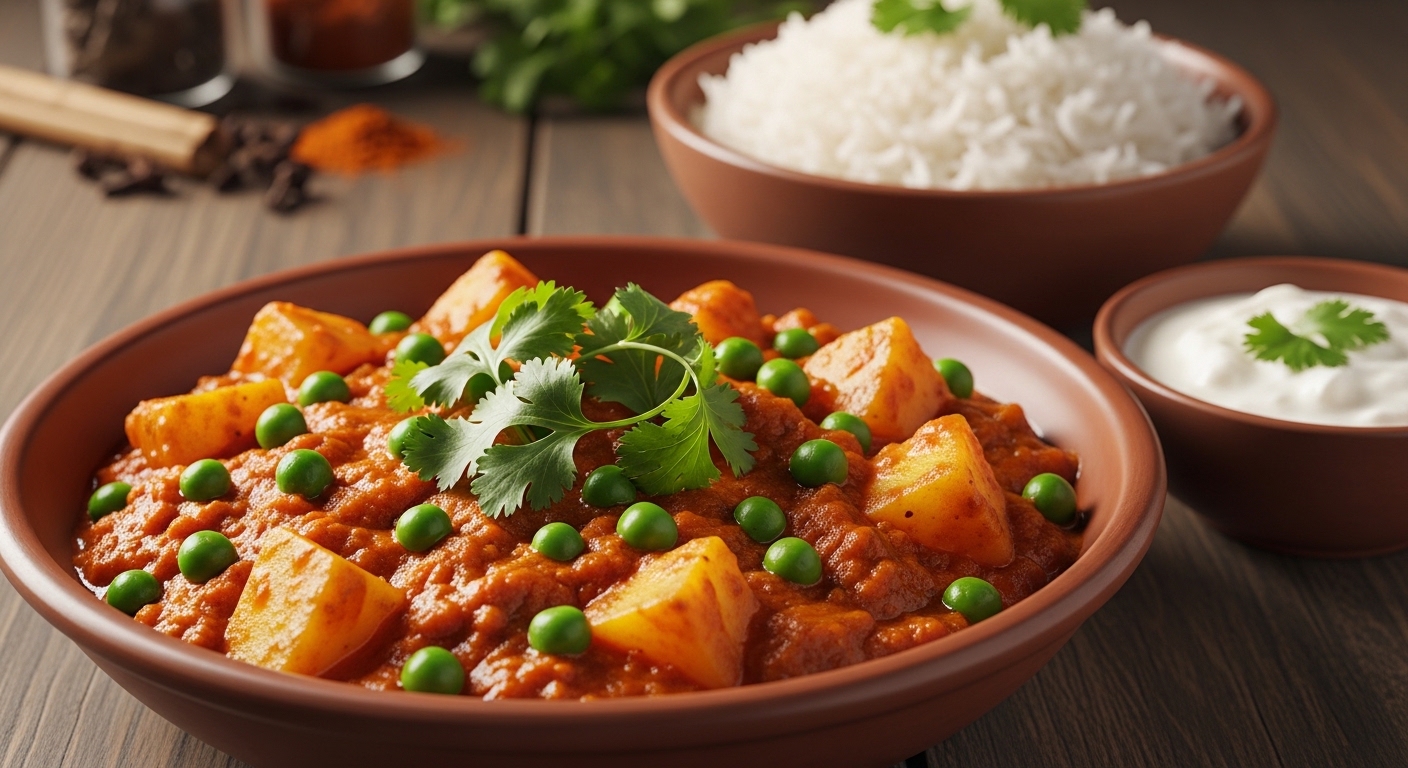
A typical tiffin meal includes a protein (chicken curry, beef keema, daal makhni), a vegetable dish, rice or roti, and sometimes a small sweet. It's the kind of balanced, home-style meal that's deeply satisfying in a way that instant noodles simply aren't.
The key difference from restaurant delivery: there's no browsing a menu, no upsells, no surprise fees. You order a meal for the day, it arrives hot and ready to eat.
The Cost Math for Students
This is where tiffin makes the most practical sense for students.
| Meal Option | Average Cost Per Meal | |---|---| | UberEats / DoorDash (with fees) | $20–28 | | Campus food court | $12–18 | | Fast food | $10–14 | | Tiffin delivery | ~$10–14 | | Cooking from scratch | $4–8 (if you count your time as free) |
Tiffin lands in the same range as fast food — but what you're getting is a full, nutritious, home-cooked meal, not a burger that leaves you hungry two hours later. Compare it to app delivery and you're saving $8–14 per meal, which adds up to $160–280 a month if you're eating out five times a week.
For students on OSAP, part-time income, or a parental budget, that difference matters.
Time Is the Real Currency
Most conversations about student eating focus on money. But time is equally important — and tiffin saves a lot of it.
Cooking a proper meal from scratch: 30–60 minutes of active time, plus grocery shopping, dishes, and cleanup. On a day with three classes, a shift at work, and an assignment due, that hour simply doesn't exist.
With tiffin, the process is:
- Place your order the day before (takes two minutes)
- Receive your delivery at the time you specified
- Eat
No grocery run. No cleanup beyond rinsing a container. No decisions about what to make or whether you have the ingredients.
For students who live in dorms with shared kitchens, tiffin also removes the friction of navigating a crowded cooking space during peak dinnertime.
Eating Well Affects How Well You Study
It's not an exaggeration to say that what you eat affects your academic performance. Blood sugar crashes from high-carb fast food, fatigue from skipping meals, and the brain fog that comes from a poor diet are real — and they show up during exams, presentations, and late-night study sessions.
Home-style tiffin meals are built around ingredients that don't spike and crash: slow-cooked lentils, lean protein, vegetables cooked in moderate oil, whole grains. It's not diet food — it's just the kind of balanced cooking that generations of families have relied on for sustained energy.
Many students who switch to tiffin report that they simply feel more alert and less irritable on days when they eat a proper hot meal. It's a low-effort upgrade with a noticeable effect.
Ordering Around Your Class Schedule
One of the practical advantages of tiffin delivery is flexibility. Most services — including FOOOD — let you specify a delivery window and order a day or two ahead. That means you can plan around your timetable:
- Early lectures? Order dinner delivery for when you get home in the evening
- Late classes? Schedule a lunch delivery before you leave — it's waiting in your fridge when you need it
- Irregular days? Order only on the days you know you won't have time, and skip the rest
Unlike a meal plan, you're not locked into a fixed schedule or paying for meals you won't eat. You order what you need, when you need it.
A Practical Alternative to Cooking Every Night
Tiffin isn't a replacement for every meal — most students find it works best as a reliable anchor for two to four days a week. You cook when you have time and genuinely want to. On the harder days, tiffin is waiting.
It's also a small but meaningful connection to home-style cooking during a period of life when that comfort is genuinely missed. For students from South Asian backgrounds especially, a warm plate of daal and rice carries more than just calories.
Edmonton has a growing number of tiffin options. FOOOD offers a rotating daily menu of home-style Pakistani dishes, available to order without a subscription — just pick the days you want and place your order. It's one of the simpler ways to eat well in a city that makes student life demanding enough as it is.